About
Background, skills, and story.
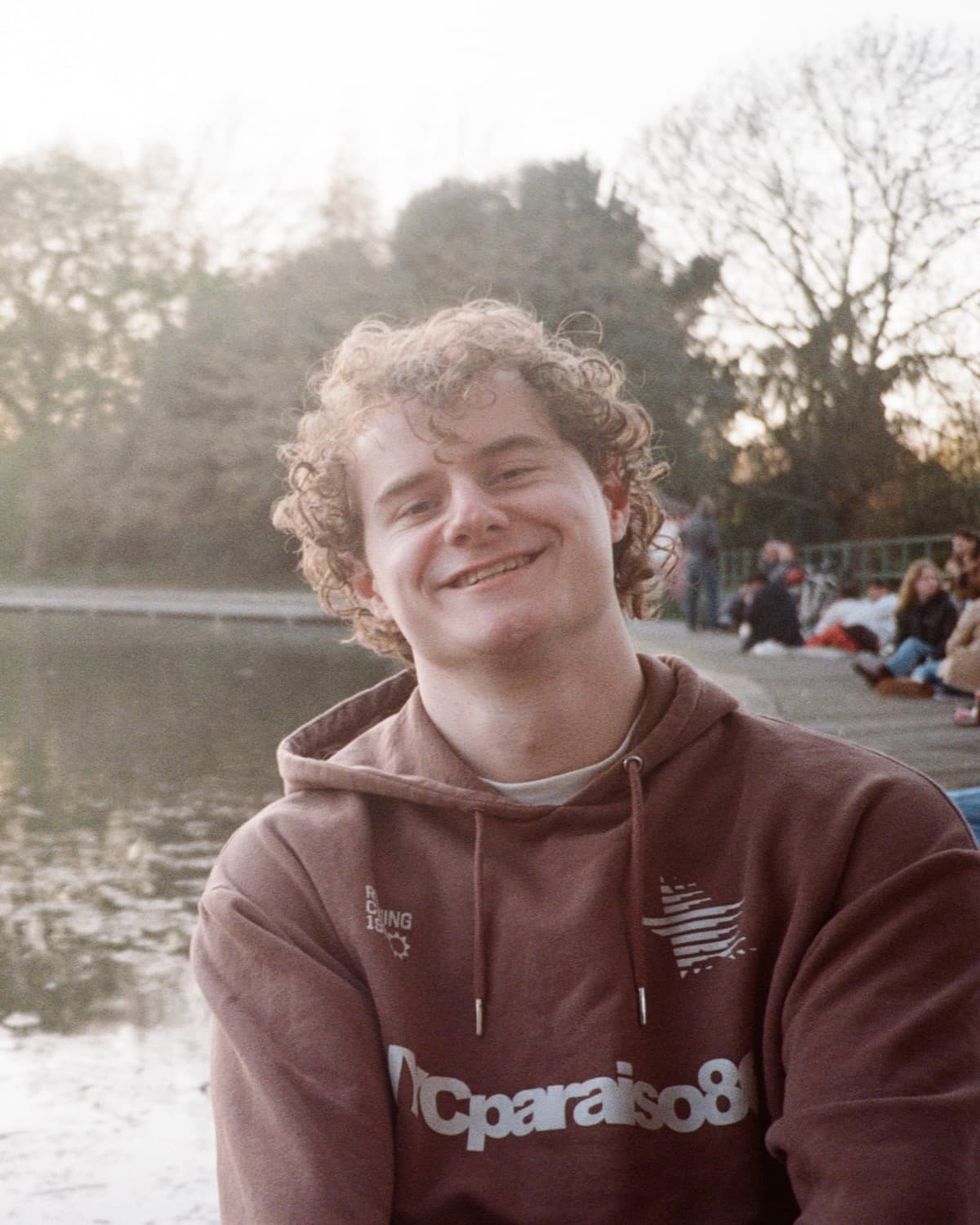
I'm a Mechanical Engineer who specialised in Mechatronics at Newcastle, after realising partway through my degree that the interesting problems live at the boundary between mechanical, electrical, and software, not inside any one of them.
The projects on offer for my dissertation were all stress simulation work, so I put together my own project plan for something electromechanical instead, pitched it to my tutor, and got the go-ahead. It became an autonomous vehicle control system and won the department's best individual project prize. The following year, final year students didn't get to choose their own projects either, so I did the same thing again. I proposed an ocean plastic capture vessel that wasn't on the standard list, gave the university enough lead time to find the right supervision, and ended up with two tutors: one covering mechanical and nautical engineering, one covering electromechanical systems. It won best thesis project in the School of Engineering.
After graduating I spent a year at TTP, a life sciences consultancy, leading the mechanical side of an FDA verification programme for a PCR machine. I built custom test rigs, wrote protocols, and worked daily alongside biologists and physicists. What I liked most wasn't just the technical complexity, it was that the engineering and the purpose were inseparable. The instruments I worked on existed to make a real scientific process possible, so getting the engineering right actually meant something beyond the engineering itself. That combination gave the work a weight I hadn't felt at university, and it's what I look for now.
I currently work at Oplevel, a three-person startup building a new kind of analytics platform. It's a small, fast-moving team, so alongside client delivery I get real input into product decisions, feature direction, and how the platform itself develops.