Rapid PCR Verification
Tools & Software
Micro-controllers
Python
Sensor Integration
3D Printing
Problem
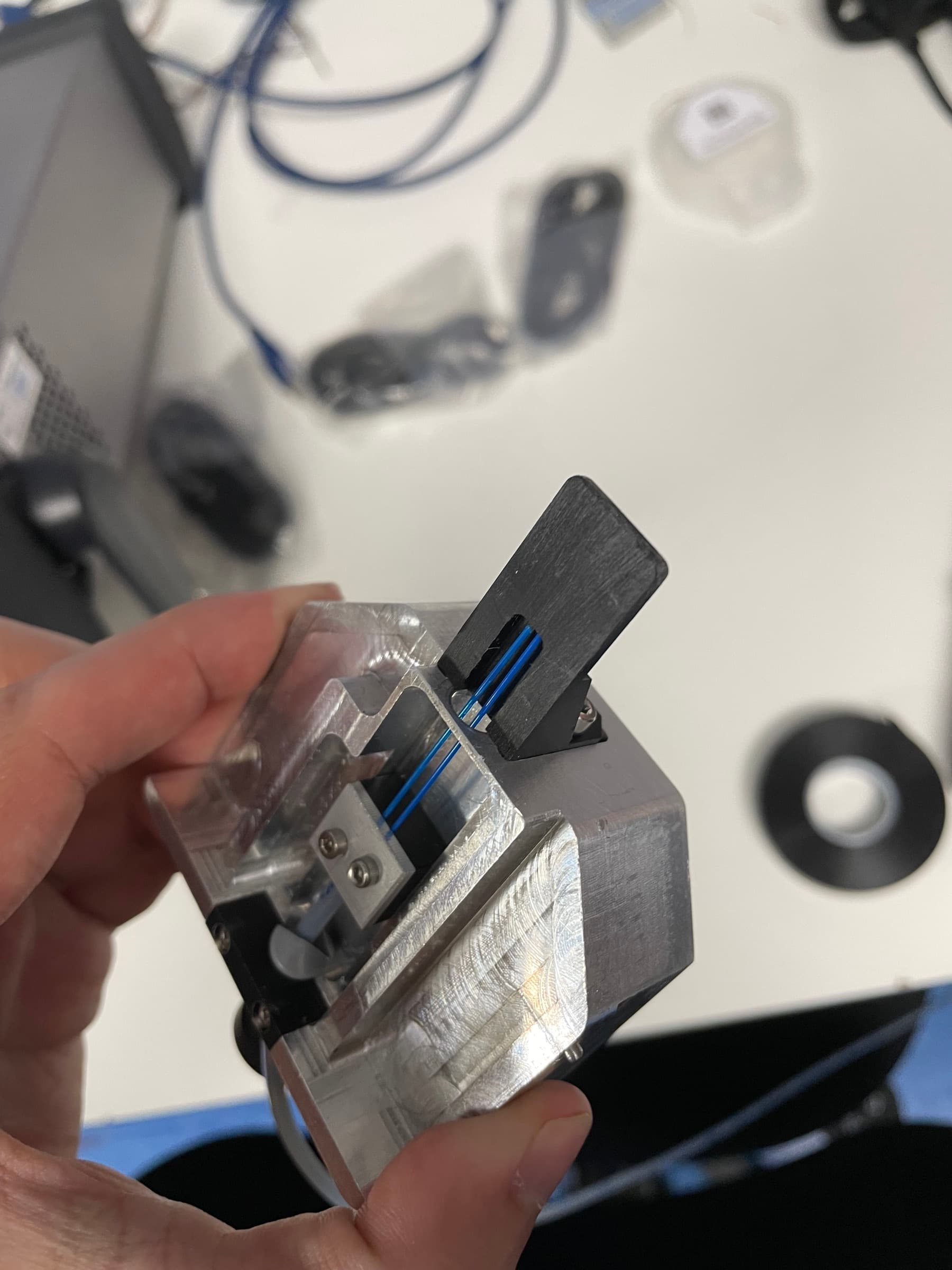
A multi-million pound PCR instrument needed to pass FDA verification before it could support clinical trials. Several of the required measurements, thermal, optical, and magnetic, needed to be taken from deep inside the instrument without disassembly, since removing panels or modules would invalidate the results. No existing test equipment could do this.
Process
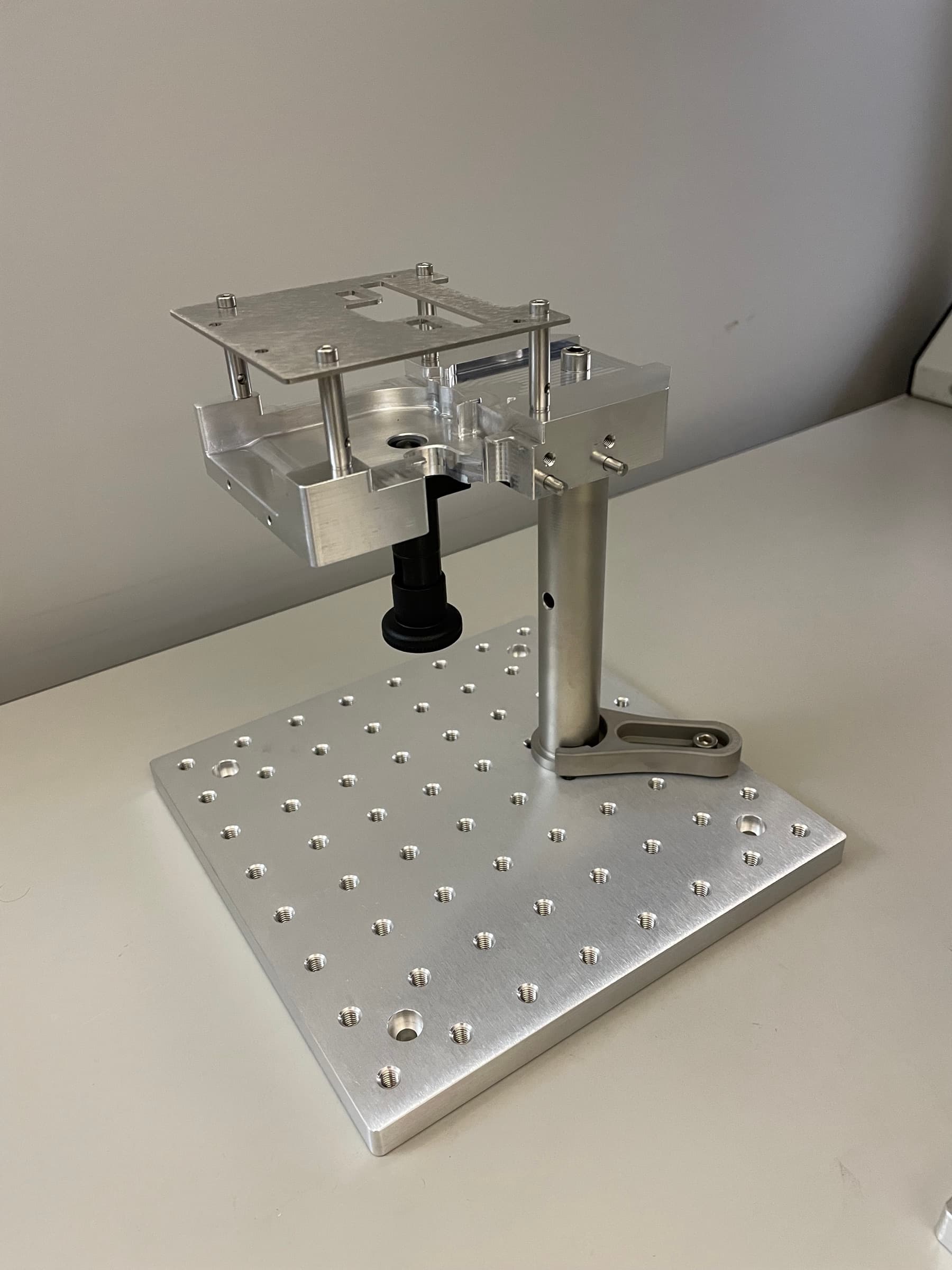
I designed a family of custom test cartridges shaped to match the instrument's real consumables, each housing the sensor needed for a specific test, a battery, and a Bluetooth Arduino. A central hub Arduino collected the data from each cartridge, and I wrote a Python script that controlled the PCR machine directly, ran the tests, and processed the results into graphs and a summary spreadsheet, mostly from a Jupyter notebook so other engineers could rerun it easily. Every test had to be repeated three times across five instruments, and everything, from equipment calibration to the scripts themselves, had to meet ISO 13485 documentation standards. I also automated a manual magnetic flux measurement process that previously relied on someone holding a probe by hand, first with a 3D printed alignment cartridge, then with a fully automated version that mapped flux density across positions on its own.
Outcome
The programme delivered a complete FDA verification package across thermal, optical, magnetic, and mechanical tests. The reusable hub-and-cartridge system meant new test types could be added without redesigning the whole rig, and the automated flux mapping cut a previously manual process down to a script running unattended.